Unveiling the Unique Charm of Cambodian Egg Rolls and Their Irresistible Flavor Profile
- Chad Bergmann
- Mar 21
- 3 min read
Egg rolls are a familiar snack in many American households, often associated with Chinese or Vietnamese cuisine. Yet, Cambodian egg rolls offer a distinct experience that sets them apart from the typical versions many know. For those who think they don’t like egg rolls, Cambodian egg rolls might just change their minds. This post explores what makes Cambodian egg rolls unique, their flavor profile, ingredients, and why they appeal even to skeptics.
What Makes Cambodian Egg Rolls Different
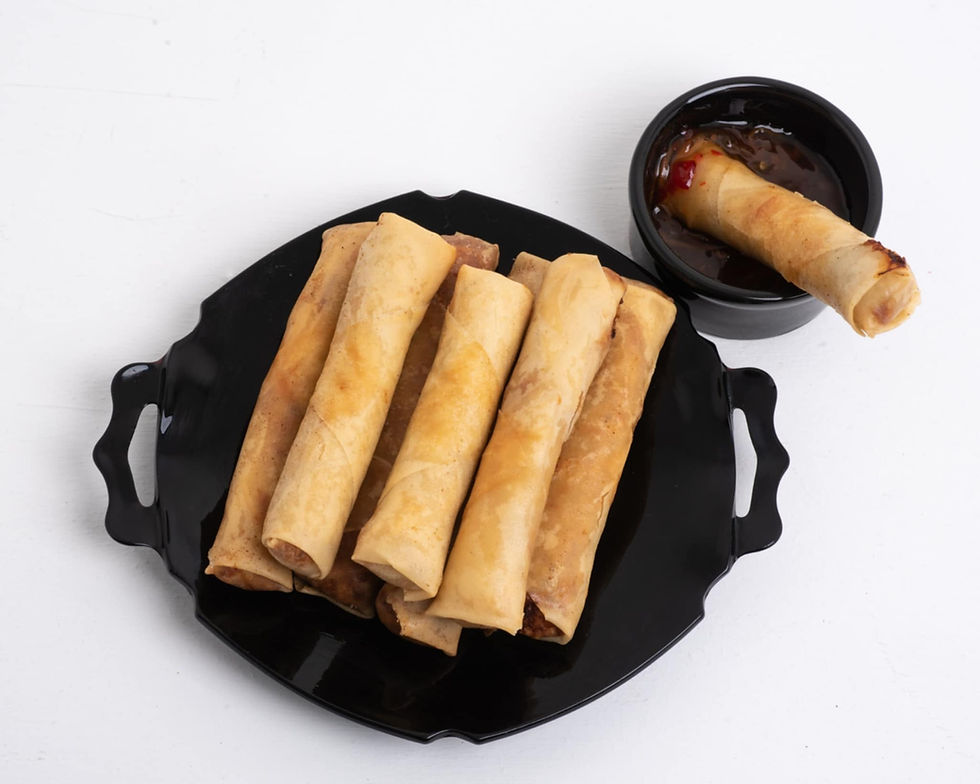
Cambodian egg rolls, known locally as Nime Chay, differ from their Chinese or Vietnamese cousins in several key ways. First, the wrapper is often thinner and lighter, creating a crispier texture without the heaviness sometimes found in American-style egg rolls. The filling also reflects Cambodia’s unique culinary influences, blending fresh herbs and spices that give the rolls a brighter, more aromatic taste.
Unlike the deep-fried, sometimes greasy egg rolls common in American takeout, Cambodian egg rolls balance crispiness with freshness. They are often served with a side of pickled vegetables or a tangy dipping sauce that cuts through the richness, making each bite refreshing rather than overwhelming.
The Flavor Profile of Cambodian Egg Rolls
The flavor of Cambodian egg rolls is a harmonious mix of savory, fresh, and slightly sweet notes. The filling typically includes ground pork or chicken, but what truly defines the taste are the herbs and seasonings:
Garlic and shallots add a deep, aromatic base.
Fish sauce provides a salty umami punch without overpowering.
Sugar balances the saltiness with a subtle sweetness.
Fresh herbs like cilantro, mint, and sometimes Thai basil introduce brightness.
Black pepper or white pepper adds a gentle heat.
This combination creates a complex flavor that is both comforting and exciting. The contrast between the crunchy wrapper and the juicy, herb-filled interior makes these egg rolls stand out.
Key Ingredients That Define Cambodian Egg Rolls
The ingredients in Cambodian egg rolls reflect the country’s agricultural bounty and culinary traditions. Here are the essentials:
Rice paper or thin wheat wrappers: Cambodian rolls often use rice paper wrappers that fry up crisp but light.
Ground meat: Pork is most common, but chicken or shrimp can be used.
Glass noodles (mung bean vermicelli): These add texture and absorb the flavors of the filling.
Vegetables: Finely chopped carrots, cabbage, and sometimes mushrooms.
Fresh herbs: Cilantro, mint, and green onions.
Seasonings: Garlic, shallots, fish sauce, sugar, and pepper.
The use of glass noodles and fresh herbs is a hallmark of Cambodian rolls, giving them a lighter, fresher feel compared to heavier, starchier fillings in other egg rolls.
Why People Who Don’t Like Egg Rolls Often Enjoy Cambodian Egg Rolls
Many people avoid egg rolls because they find them greasy, heavy, or bland. Cambodian egg rolls address these issues in several ways:
Lighter wrapper: The thin rice paper crisps quickly and doesn’t absorb as much oil.
Fresh herbs: The bright, fresh flavors cut through the fried exterior, making the rolls feel less heavy.
Balanced seasoning: The filling is well-seasoned but not overpowering, appealing to those who dislike overly salty or greasy snacks.
Accompaniments: Served with pickled vegetables or a tangy dipping sauce, the rolls offer a refreshing contrast that keeps the palate interested.
For example, someone who usually avoids egg rolls because they feel too oily might find Cambodian egg rolls crisp but not greasy. The fresh herbs and dipping sauce add layers of flavor that make each bite enjoyable rather than monotonous.
How to Enjoy Cambodian Egg Rolls
Cambodian egg rolls are versatile. They can be served as appetizers, snacks, or part of a larger meal. Here are some tips to enjoy them fully:
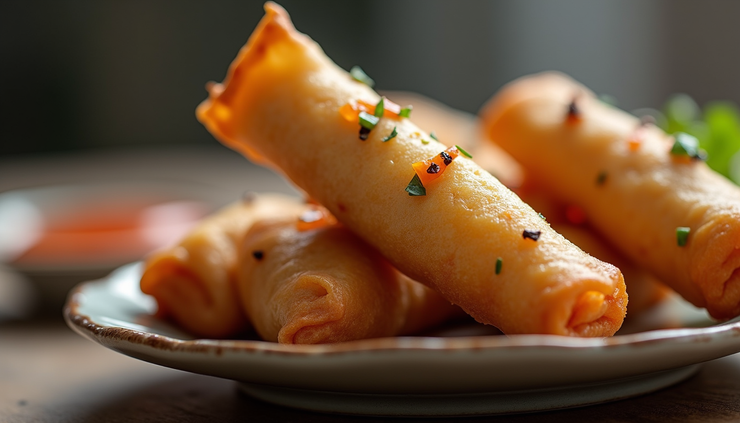
Serve fresh and hot: The wrapper is at its crispiest right after frying.
Pair with dipping sauces: Try sweet chili sauce, tamarind sauce, or a simple mix of lime juice, fish sauce, and sugar.
Add fresh sides: Pickled carrots and daikon or a small salad with herbs complement the rolls perfectly.
Try with rice or noodles: Cambodian egg rolls can be part of a meal with steamed jasmine rice or stir-fried noodles.
For those interested in making them at home, the process involves preparing the filling with fresh ingredients, wrapping carefully in rice paper, and frying quickly in hot oil. The result is a snack that feels light but satisfying.
Final Thoughts on Cambodian Egg Rolls
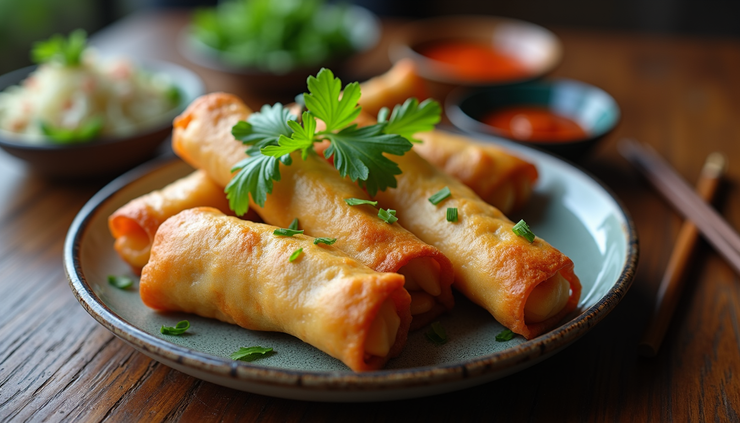
Cambodian egg rolls offer a fresh take on a familiar favorite. Their lighter wrapper, fresh herbs, and balanced seasoning create a snack that appeals even to those who usually avoid egg rolls. The combination of crispy texture and bright, savory filling makes them a standout dish worth trying.


Comments