Unlocking the Essence of Kroeung: The Heart of Cambodian Culinary Tradition
- Chad Bergmann
- Jun 9
- 3 min read
Imagine stepping into a Cambodian kitchen and being greeted by the fresh, vibrant aroma of lemongrass, garlic, turmeric, and galangal crushed into a fragrant paste. This scent signals the beginning of something special. Before any soup simmers, curry simmers, or marinade touches the grill, there is often kroeung. Though many outside Cambodia may not know the term, kroeung is a cornerstone of Cambodian cooking. It forms the aromatic base that defines the unique flavors of many traditional dishes.

What Is Kroeung?
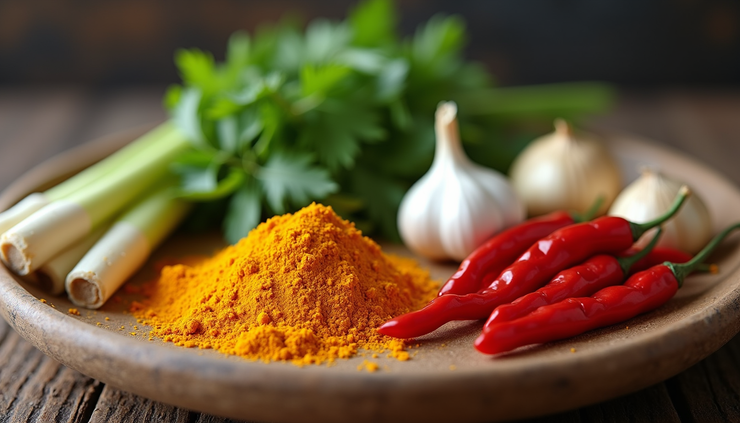
Kroeung is a traditional Cambodian spice paste made by grinding fresh herbs, roots, and spices into a fragrant blend. The ingredients vary depending on the dish and region, but the core components often include:
Lemongrass
Galangal
Turmeric
Garlic
Shallots
Kaffir lime leaf
These ingredients are traditionally crushed together using a mortar and pestle, which helps release their essential oils and flavors. The resulting paste is the foundation for many Cambodian dishes, providing a complex and aromatic base that enhances every bite.
Why Kroeung Is Essential in Cambodian Cooking
Kroeung plays a role similar to flavor bases in other cuisines. For example:
French cooking often starts with mirepoix (onion, carrot, celery).
Cajun cuisine uses the holy trinity (onion, celery, bell pepper).
Italian dishes frequently begin with garlic, onion, and herbs.
In Cambodian cuisine, kroeung builds layers of flavor before cooking even begins. It adds depth and character, making dishes uniquely Cambodian. Without kroeung, many recipes would lack their signature aroma and taste.
Different Types of Kroeung
Kroeung is not a single recipe but a category of spice pastes with variations depending on the dish or region. The three main types are:
Yellow Kroeung
Contains turmeric, which gives it a bright yellow color.
Commonly used in curries, soups, and marinades.
Offers an earthy warmth and vibrant color to dishes.
Green Kroeung
Herb-forward and fresh.
Includes lemongrass and kaffir lime leaf prominently.
Used in lighter dishes where fresh citrus notes are desired.
Red Kroeung
Includes dried red chilies for color and mild heat.
Used when a deeper color and warmth are needed.
Adds a subtle spiciness without overpowering the dish.
The Flavor Profile of Kroeung
Many expect kroeung to be spicy, but most versions focus on complex, balanced flavors rather than heat. The paste offers:
Citrus notes from lemongrass, brightening the dish.
Earthiness from turmeric, grounding the flavor.
Warmth from galangal, adding subtle spice and aroma.
Savory depth from garlic and shallots.
Brightness from kaffir lime leaf, lifting the overall taste.
This combination creates a paste that is both complex and balanced, providing a rich foundation without overwhelming the palate.
How to Use Kroeung in Cooking
Kroeung is incredibly versatile and appears in many Cambodian dishes. Here are some examples:
Curries: Kroeung is sautéed at the start to release its aroma before adding coconut milk and proteins.
Soups: It forms the base for flavorful broths, infusing the soup with herbal and spicy notes.
Marinades: Meats and seafood are often marinated with kroeung to absorb its fragrant flavors before grilling or frying.
Stir-fries: Adding kroeung to vegetables or meats creates a quick, flavorful dish with authentic Cambodian taste.
Making Kroeung at Home
You can recreate kroeung in your kitchen with fresh ingredients and a mortar and pestle or food processor. Here’s a simple green kroeung recipe to try:
Ingredients:
2 stalks lemongrass (white part only), chopped
3 shallots, peeled and chopped
4 cloves garlic
1-inch piece galangal, peeled and sliced
3 kaffir lime leaves, finely chopped
1 small green chili (optional)
1 teaspoon turmeric powder or fresh turmeric, peeled and chopped
Pinch of salt
Instructions:
Combine all ingredients in a mortar and pestle or food processor.
Pound or blend until a smooth paste forms.
Use immediately or store in an airtight container in the fridge for up to 3 days.
Using fresh ingredients is key to capturing the authentic flavors of kroeung.

Bringing Cambodian Flavors to Your Table
Kroeung is more than just a spice paste. It is the heart of Cambodian cooking, carrying the country’s culinary heritage in every dish. By understanding and using kroeung, you unlock the authentic flavors that make Cambodian cuisine unique.
Try making kroeung at home and experiment with different types to discover which suits your taste. Whether in a curry, soup, or marinade, kroeung will add depth and aroma that transform simple ingredients into memorable meals.


Comments