The Rich History and Cultural Significance of Prahok in Cambodian Cuisine
Cambodian cuisine offers a unique blend of fresh herbs, spices, rice, vegetables, and grilled meats. Among these, one ingredient stands out for its deep cultural roots and distinctive flavor: prahok, a fermented fish paste that has shaped Cambodian cooking for centuries. Its strong aroma and rich taste may surprise newcomers, but understanding prahok is essential to appreciating the heart of Cambodian food.

What Is Prahok?
Prahok is a type of fermented fish paste made by preserving freshwater fish through salting and fermentation. This process transforms the fish into a concentrated, flavorful ingredient with a pungent aroma and deep umami taste. It is not just a simple fish paste; prahok carries centuries of culinary tradition and cultural importance in Cambodia.
The preparation of prahok varies by region and family, with differences in fish types, fermentation time, and texture. Some prahok is ground into a smooth paste, while other versions remain chunky. This diversity reflects the ingredient’s versatility and its role in many Cambodian dishes.
Calling prahok merely "fish paste" does not capture its significance. It is a symbol of resourcefulness and tradition, connecting Cambodians to their environment and history.
Why Ferment Fish?
Before refrigeration, preserving food was a challenge, especially in tropical climates. Fermentation and salting were practical methods to extend the shelf life of seasonal fish. Cambodia’s abundant freshwater fish from the Tonlé Sap lake and rivers provided a vital resource.
Fermenting fish allowed communities to store protein for months, ensuring food availability during dry seasons or times when fresh fish was scarce. This preservation method also enhanced the fish’s flavor, creating a unique ingredient that became central to Cambodian cooking.
The Tonlé Sap region remains crucial to Cambodia’s food culture. The lake’s seasonal floods bring vast fish harvests, and prahok production helps preserve this bounty. This connection between environment and cuisine highlights the sustainable practices embedded in Cambodian food traditions.
What Does Prahok Taste Like?
Prahok’s flavor can be intense. It is salty, deeply savory, and carries a fermented aroma that some find challenging at first. Yet, its role in dishes is not to overpower but to add depth and umami.
When used skillfully, prahok enhances the overall flavor profile, balancing other ingredients and enriching soups, sauces, and stir-fries. It can bring a subtle complexity or a bold punch, depending on the amount and preparation.
For those new to prahok, tasting it in small amounts mixed with fresh herbs, lime, and chili can reveal its potential without overwhelming the palate.
How Is Prahok Used?
Prahok is a versatile ingredient with many traditional uses in Cambodian cuisine. It is not limited to one style or dish but adapts to different cooking methods and flavor combinations.
Cooked with meats and vegetables
Prahok often appears in stir-fries or braised dishes, where it melts into the sauce, seasoning meats like pork or beef and vegetables.
In sauces and dips
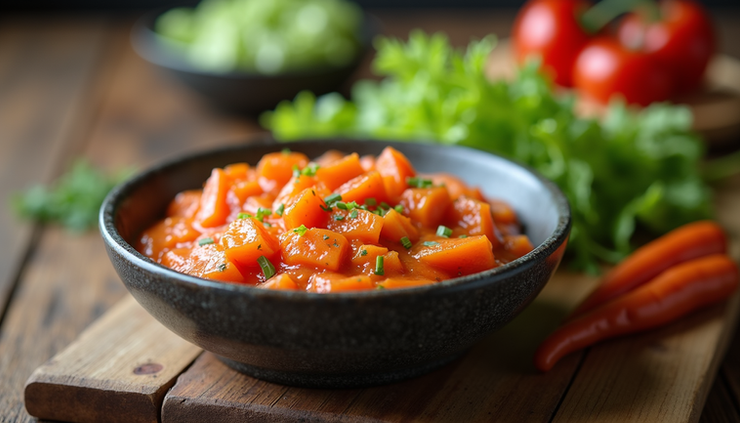
One popular use is in prahok k’tis, a dip made by mixing prahok with coconut milk, garlic, and chili. This dip accompanies fresh vegetables and rice, offering a rich and savory contrast.
Seasoning soups and stews
Prahok adds umami to traditional Cambodian soups, such as samlor prahok, a hearty fish soup that highlights the paste’s flavor.
As a prominent flavor
Some dishes feature prahok as the star ingredient, served with minimal additions to showcase its unique taste.
This variety shows that prahok is not a one-note ingredient but a building block that Cambodians use creatively to enhance their meals.
The Cultural Role of Prahok
Prahok is more than food; it is part of Cambodia’s identity. It connects people to their land, history, and community. Families pass down prahok recipes and fermentation techniques through generations, preserving a culinary heritage.
In rural areas, prahok production supports local economies and sustains traditional fishing practices. It also plays a role in social gatherings and celebrations, where sharing prahok dishes strengthens bonds.
Understanding prahok offers insight into Cambodian values: respect for nature’s resources, patience in food preparation, and the importance of shared meals.
Final Thoughts on Prahok
Prahok remains a defining ingredient in Cambodian cuisine, offering a window into the country’s history and culture. Its strong aroma and flavor may challenge new eaters, but its ability to add richness and umami makes it indispensable.
Exploring prahok opens the door to a deeper appreciation of Cambodian food and the traditions that shape it. Whether cooked into a stew, blended into a dip, or served as a bold condiment, prahok tells a story of preservation, community, and flavor that continues to thrive today.
For those curious about Cambodian cuisine, tasting prahok is a step toward understanding the heart of this vibrant culinary tradition.


Comments