The Art of Made-to-Order: Why Freshness and Flavor Balance Define Cambodian Cuisine
- Chad Bergmann
- Jun 5
- 3 min read
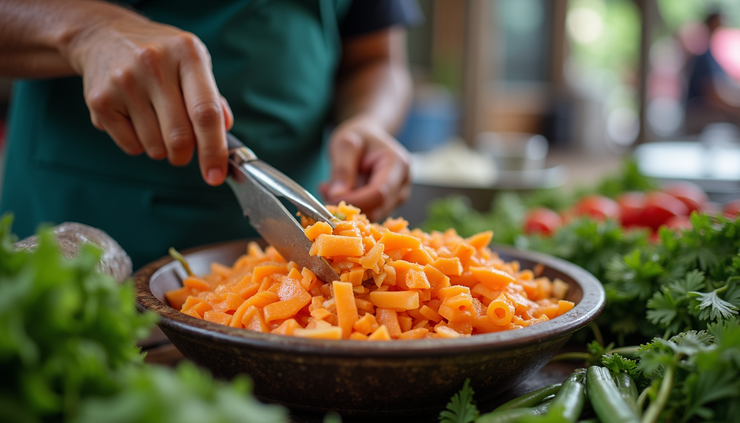
Imagine sitting at a small street-side eatery in Phnom Penh. You order a classic Cambodian papaya salad. Instead of receiving a pre-plated dish, you watch as the cook crushes fresh green papaya, slices tomatoes, and pounds chilies and garlic in a mortar and pestle right before your eyes. A squeeze of lime, a pinch of sugar, a dash of fish sauce. You taste it, ask for a little more lime, less heat. Moments later, the salad arrives, perfectly tailored to your palate.
This scene captures the heart of Cambodian cooking: food made to order. But why does this tradition persist? Why not prepare dishes ahead of time for convenience? The answer lies in the deep connection between freshness, flavor balance, and hospitality in Cambodian cuisine.
Freshness Matters in Every Bite
Cambodian dishes rely heavily on fresh herbs and vegetables that lose their vibrancy quickly once prepared. Ingredients like lemongrass, kaffir lime leaves, mint, and cilantro release their essential oils and aromas best when freshly chopped or bruised. Preparing these elements just before serving preserves their bright, lively flavors.
Vegetables such as green papaya, cucumbers, and long beans maintain a crisp texture only when freshly cut. This crunch contrasts beautifully with softer components like grilled meats or sticky rice, creating a satisfying mouthfeel that defines many Cambodian dishes.
Grilled foods, a staple in Cambodian meals, also benefit from made-to-order preparation. Grilled meats and fish are often cooked over charcoal, giving them a smoky flavor and slightly charred exterior. Serving them immediately after grilling ensures they remain juicy and tender, not dried out or tough from sitting too long.
Texture plays a crucial role in Cambodian food. The interplay between crunchy, tender, and chewy elements adds depth to each bite. Freshness is not an optional feature; it is an essential part of the dish’s identity.
Flavor Balance Changes with Every Order
Cambodian cuisine is known for its delicate balance of sweet, sour, salty, savory, and heat. This balance varies from person to person, and even from meal to meal depending on mood or appetite.
For example, a classic dish like samlor korkor (a traditional vegetable and meat stew) combines sour tamarind, salty fish sauce, and a hint of sweetness from palm sugar. The heat level can be adjusted by adding fresh chilies or leaving them out. Made-to-order cooking allows the cook to tailor these flavors to each guest’s preference.
This flexibility is especially important in dishes like papaya salad or grilled beef skewers, where the amount of lime juice, chili, or sugar can be fine-tuned on the spot. It ensures that every plate delivers a personalized experience rather than a one-size-fits-all flavor.
Hospitality Is Part of the Meal
The made-to-order tradition also reflects Cambodian hospitality. Food is not just fuel; it is a way to connect. The interaction between cook and guest is part of the dining experience.
When you watch your food being prepared, you engage with the cook. You can ask questions, request adjustments, and learn about the ingredients. This exchange builds trust and respect. It shows that the cook values your satisfaction and wants to serve you the best possible meal.
In many Cambodian homes and eateries, meals are communal and relational. Sharing food made fresh for you strengthens bonds and honors guests. This relational aspect is often overlooked by outsiders but remains central to Cambodian food culture.

Not Everything Is Made to Order
It is important to note that not every element of Cambodian cuisine is prepared fresh on demand. Many dishes rely on broths, marinades, and ingredient preparations that take hours or even days.
For example, rich broths used in noodle soups like kuy teav simmer for hours to develop deep flavor. Fish sauces and marinades ferment over time to achieve their signature taste. These foundational components are prepared ahead but combined or assembled just before serving.
This distinction between long-prepared bases and made-to-order final assembly allows Cambodian cooks to balance efficiency with freshness. It ensures complex flavors develop while still delivering dishes at their peak.
Serving Food at Its Best
In Cambodian cooking, made-to-order is not about slowing down service or complicating preparation. It is about serving food at its best.


Comments