The Art of Flavor Harmony in Cambodian Cuisine Unveiled
Cambodian cuisine offers a unique experience where bold, aromatic, and complex flavors come together in a delicate balance. Unlike some cuisines that highlight a single dominant taste, Cambodian food thrives on the interplay of sweet, sour, salty, bitter, and savory elements. This balance creates dishes that are both satisfying and nuanced, inviting diners to explore a spectrum of flavors in every bite.

Sweetness in Cambodian Cooking
Sweetness in Cambodian food goes beyond desserts. Ingredients like palm sugar, coconut sugar, and natural sweeteners play a crucial role in balancing other flavors. A touch of sweetness can soften the sharpness of sour ingredients or round out salty notes. For example, in the classic Cambodian dish Amok Trey (steamed fish curry), palm sugar is used to balance the richness of coconut milk and the heat of spices.
Sweetness also helps unify the flavors in sauces and marinades. It acts as a subtle background note that enhances the overall harmony without overpowering the dish. This approach shows how Cambodian cooks use sweetness as a tool to create depth and complexity.
The Brightness of Sour Flavors
Sourness is essential in Cambodian cuisine, providing brightness and freshness to many dishes. Lime juice, tamarind paste, and vinegar are common souring agents that enliven soups, salads, and dipping sauces. For instance, Samlor Machu (Cambodian sour soup) uses tamarind to give the broth a refreshing tang that balances the savory ingredients.
Sour flavors also help cut through rich or oily components, making dishes feel lighter and more vibrant. In salads like Nhoam Svay (green mango salad), the sourness from lime juice complements the sweetness and saltiness, creating a lively and refreshing taste.
Saltiness as a Flavor Builder
Saltiness in Cambodian food is not just about seasoning; it builds layers of flavor. Salt, fish sauce, and fermented products like prahok (fermented fish paste) contribute to the salty dimension. These ingredients add depth and complexity, enhancing other flavors rather than simply making food salty.
Fish sauce, in particular, is a cornerstone of Cambodian cooking. It provides umami and saltiness that bring out the best in vegetables, meats, and soups. Prahok, with its strong aroma and taste, is used sparingly to add a rich, savory note that anchors many traditional dishes.
Appreciating Bitterness
Bitterness is often overlooked in many cuisines, but Cambodian cooking embraces it as an important contrast. Bitter vegetables such as bitter melon, certain herbs, and leafy greens add complexity and balance to meals. Instead of masking bitterness, Cambodian recipes use it intentionally to offset richer or sweeter flavors.
For example, a plate of steamed bitter melon served alongside a savory meat dish offers a refreshing counterpoint. This contrast helps cleanse the palate and adds variety to the meal experience.
Savory Depth and Umami
Savory flavors provide richness and fullness to Cambodian dishes. Ingredients like prahok, fish sauce, meats, and broths contribute umami, the taste that gives food a satisfying depth. This savory character is essential for creating dishes that feel hearty and complete.
A good example is Kuy Teav, a popular Cambodian noodle soup. The broth is simmered for hours with pork bones and dried seafood, resulting in a deep, savory flavor that forms the foundation of the dish. The umami from these ingredients ties together the other flavors, making the soup comforting and flavorful.

How Balance Happens Across a Meal
Cambodian meals often achieve balance not by mixing all flavors in one dish but by combining different dishes on the table. A typical meal might include:
A sour soup like Samlor Machu
A savory meat dish such as grilled beef or fish
Bitter vegetable sides
Something slightly sweet, like a caramelized pork dish
Plain steamed rice to neutralize and complement the flavors
This variety allows diners to experience each flavor distinctly while creating harmony across the meal. Each dish plays a role, and together they form a balanced culinary experience.
The Role of Spicy Heat
Spicy heat is another characteristic of Cambodian food, but it does not dominate the cuisine. Chiles are often served on the side or added according to personal preference. This approach respects individual tolerance for heat and allows the other flavors to shine.
For example, Nom Banh Chok (Cambodian rice noodle salad) is typically mild but can be enjoyed with fresh chiles or chili sauce for those who want more heat. This flexibility shows how spice complements rather than overwhelms the balance of flavors.
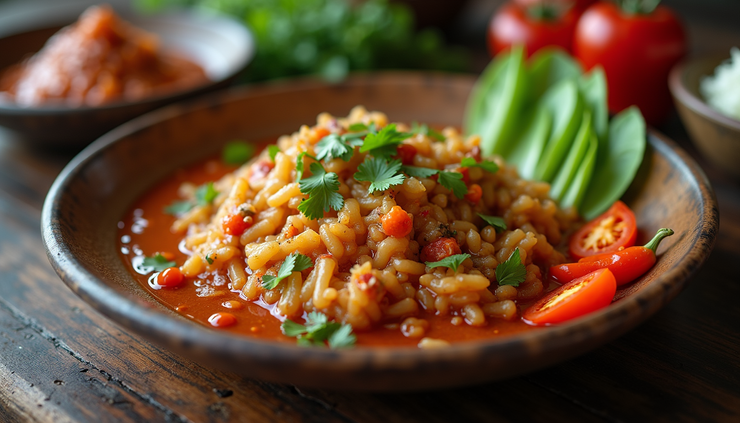
Harmony at the Cambodian Table
Understanding Cambodian food means appreciating how flavors interact and support each other. It is not just about identifying ingredients but noticing how sweet, sour, salty, bitter, and savory elements work together to create a satisfying whole.
This harmony reflects Cambodian culture’s respect for balance and variety. Whether enjoying a simple street food snack or a festive family meal, the art of flavor balance invites everyone to savor the complexity and richness of Cambodian cuisine.
Exploring this balance can deepen your appreciation for Cambodian food and inspire you to try new dishes or experiment with flavors in your own cooking. The next time you taste Cambodian cuisine, pay attention to how each flavor plays its part in the overall harmony of the meal.


Comments