Savoring the Flavors of Tonlé Sap: Unique Foods and Culinary Culture
The Tonlé Sap region in Cambodia offers more than just breathtaking views and rich biodiversity. It is a place where food tells the story of life on Southeast Asia’s largest freshwater lake. The unique ecosystem shapes the local cuisine, creating dishes that reflect the rhythms of the water and the traditions of the communities living around it. This post explores the distinctive foods of Tonlé Sap, highlighting the ingredients, dishes, and food culture that make this area a culinary treasure.
About the Region
Tonlé Sap is located in the heart of Cambodia, stretching across several provinces including Siem Reap, Battambang, and Kampong Chhnang. It is famous for its seasonal flood pulse, where the lake expands dramatically during the rainy season and recedes in the dry months. This natural cycle supports a rich variety of fish and aquatic plants, making Tonlé Sap a vital source of food and livelihood for millions.
The lake is not only an ecological marvel but also a cultural hub. Villages float on the water or sit on stilts, adapting their homes and lifestyles to the changing environment. Fishing remains the backbone of the local economy, and the food culture revolves around fresh, sustainable ingredients harvested daily from the lake and its surroundings.
Signature Foods
The cuisine of Tonlé Sap is deeply connected to the lake’s bounty. Fish dominates the menu, prepared in ways that highlight freshness and simplicity. Alongside fish, local vegetables, herbs, and fermented products add layers of flavor. Here are some iconic dishes that capture the essence of Tonlé Sap’s culinary identity:
1. Prahok Ktis
Prahok Ktis is a rich, creamy dip made from fermented fish paste mixed with coconut milk, chili, and herbs. It is a staple in Cambodian households around Tonlé Sap and is often served with fresh vegetables or sticky rice. The fermentation process gives prahok a pungent aroma and deep umami flavor, making it a beloved condiment.
2. Fish Amok
Fish Amok is a classic Cambodian dish that features freshwater fish from Tonlé Sap steamed in a fragrant curry made with coconut milk, lemongrass, kaffir lime leaves, and kroeung (a traditional spice paste). The dish is cooked in banana leaf cups, which infuse it with a subtle aroma. Its creamy texture and balanced spices make it a favorite among locals and visitors alike.
3. Grilled Snakehead Fish
Snakehead fish, abundant in Tonlé Sap, is often grilled whole over charcoal. The fish is marinated with garlic, turmeric, and salt, then cooked until the skin crisps and the flesh remains tender. It is usually served with a dipping sauce made from lime juice, chili, and fish sauce, offering a smoky and tangy taste experience.
4. Kuy Teav Phnom Penh (Tonlé Sap Style)
While Kuy Teav is a popular noodle soup throughout Cambodia, the Tonlé Sap version incorporates fresh fish broth made from the lake’s catch. The soup includes rice noodles, herbs, and sometimes fish balls or slices of grilled fish. This variation highlights the freshness of local fish and the simplicity of Tonlé Sap cooking.
5. Fried Water Spinach with Garlic
Water spinach grows abundantly around Tonlé Sap and is a common vegetable in local meals. It is quickly stir-fried with garlic and a touch of fish sauce, creating a dish that is light, flavorful, and a perfect complement to fish-based main courses.

Important Ingredients
The unique foods of Tonlé Sap rely on a handful of key ingredients that define the region’s flavors:
Freshwater Fish: Species like snakehead, catfish, and giant gourami are staples. Their availability changes with the seasons, influencing what dishes locals prepare.
Prahok (Fermented Fish Paste): This pungent paste is essential in many dishes, providing depth and umami.
Kroeung Spice Paste: A blend of lemongrass, galangal, turmeric, kaffir lime zest, and garlic, kroeung is the backbone of many curries and soups.
Coconut Milk: Adds creaminess and balances spicy and sour flavors.
Fresh Herbs: Dill, kaffir lime leaves, and coriander are common, adding brightness and aroma.
Water Spinach and Other Aquatic Vegetables: These grow naturally around the lake and are used in simple, fresh preparations.
Markets and Food Culture
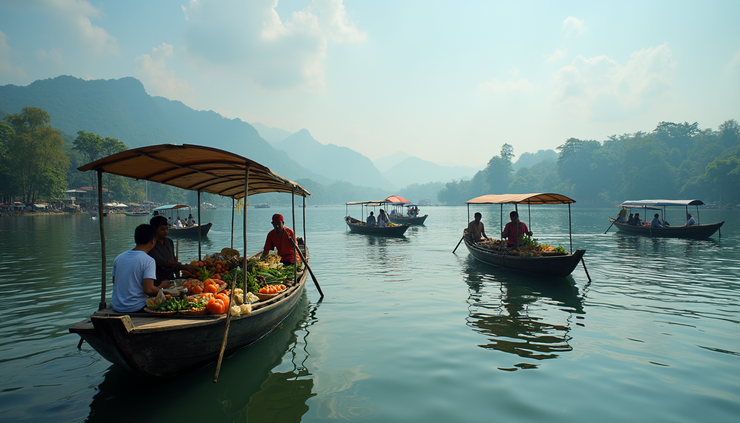
Food markets around Tonlé Sap are lively centers of daily life. Floating markets, especially near Siem Reap, offer a fascinating glimpse into how locals trade fresh fish, vegetables, and prepared foods. Vendors sell their catch directly from boats, creating a dynamic scene where buyers and sellers negotiate prices while surrounded by the lake’s waters.
The food culture is communal and seasonal. Families gather to share meals that reflect the day’s catch and the harvest from nearby gardens. Traditional cooking methods like steaming in banana leaves, grilling over charcoal, and fermenting fish paste are passed down through generations. Meals often include a balance of flavors: salty, sour, sweet, and spicy, reflecting the complexity of Cambodian cuisine.
What Makes Tonlé Sap’s Food Different
Tonlé Sap’s cuisine stands out because it is shaped by the lake’s natural rhythms and the resourcefulness of its people. The reliance on freshwater fish rather than ocean seafood creates distinct textures and flavors. The use of prahok and kroeung spice paste gives dishes a unique Cambodian identity that differs from neighboring countries.
The seasonal flooding means that ingredients vary throughout the year, encouraging creativity and adaptation in cooking. The floating villages and markets also influence how food is prepared and consumed, with many dishes designed to be portable or easy to share.
This connection to the environment results in food that is fresh, sustainable, and deeply tied to place. Eating in Tonlé Sap is not just about nourishment; it is a way to experience the culture, history, and natural beauty of Cambodia.


Comments